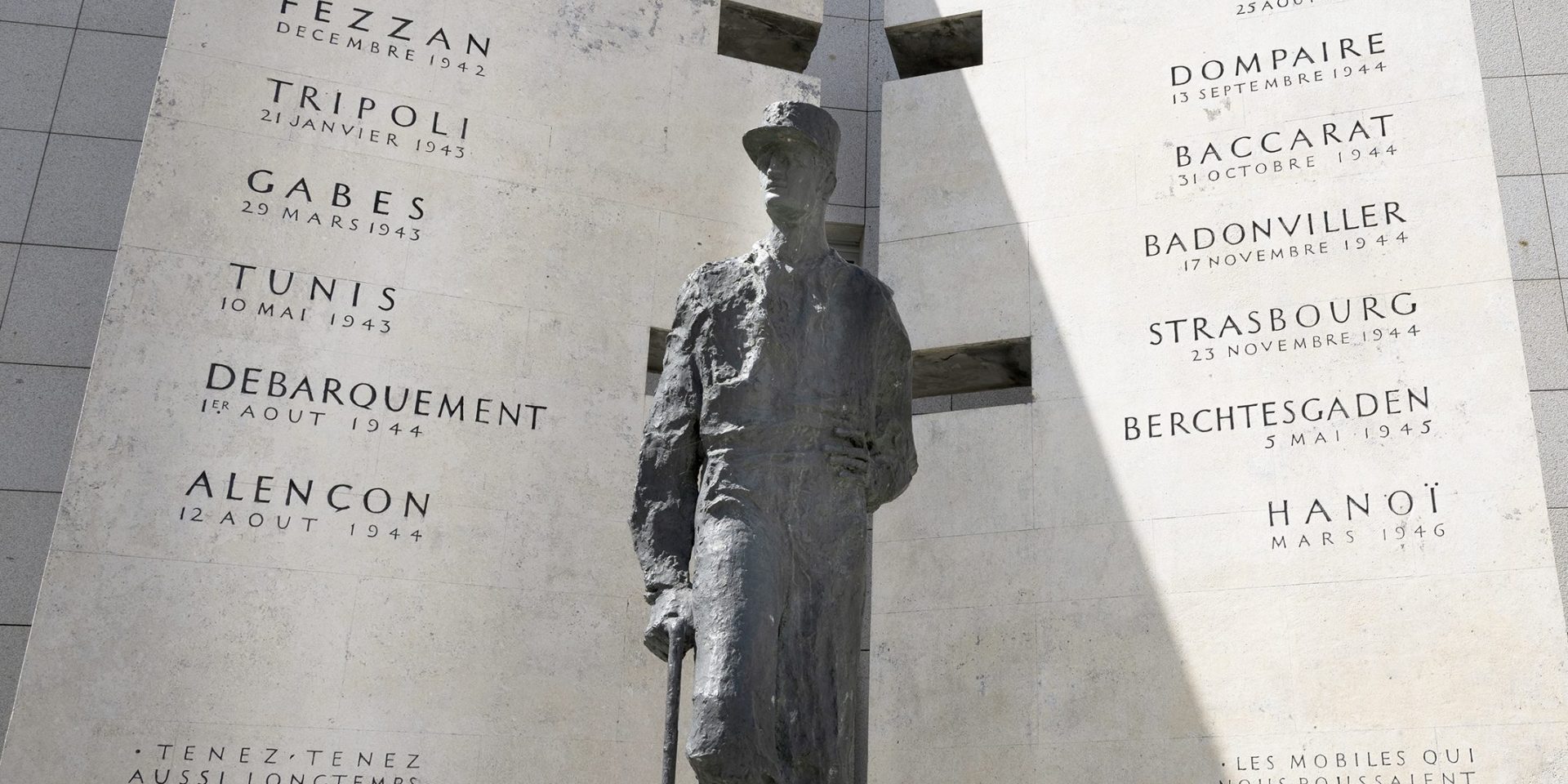
Statue of General Leclerc in Alençon
©Alençon Tourisme, Pascal Beltrami

Discover Alençon, war memories

If you arrive in Alençon via the Pont-Neuf, you won’t want to miss the statue of General Leclerc, which stands right next to the building where he set up his headquarters, at 33 rue du Pont-Neuf.
It’s a well-deserved tribute to this illustrious figure who left an indelible mark on the town’s history…

A little history... 

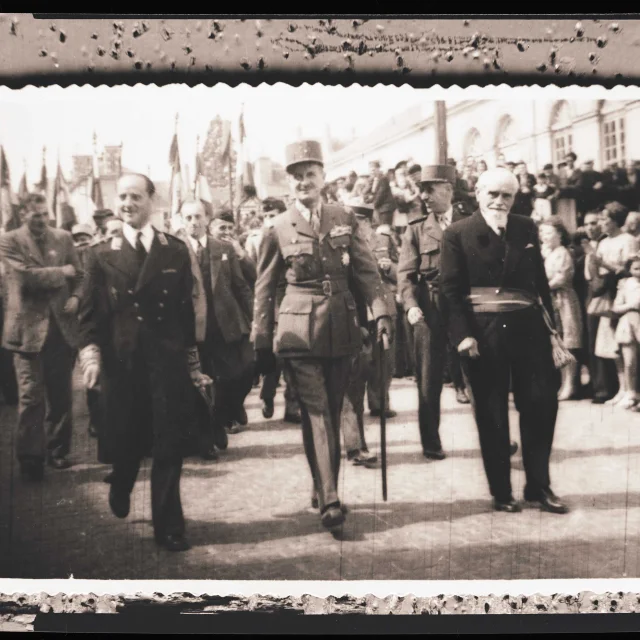
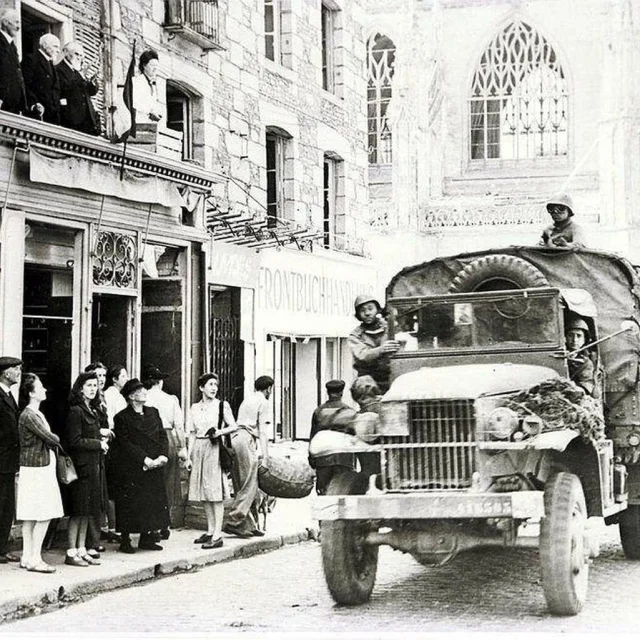
On 12 August 1944, accompanied by the 2nd Armoured Division, General Leclerc liberated Alençon from German occupation. It was the first town in France to be liberated by the French army.
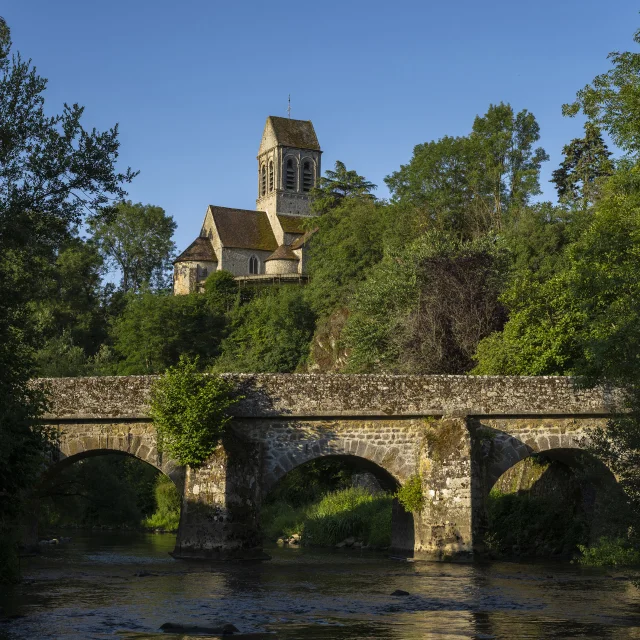
For those who are curious or interested in the history of the D-Day landings, you can follow the Route Leclerc from Alençon to Argentan. The route is dotted with memorial sites that recall the fighting between the German tanks and the 2nd armoured division, including Fyé, La Hutte, Champfleur, the Gateys necropolis, La Croix de Médavy, Chahains and Écouché.

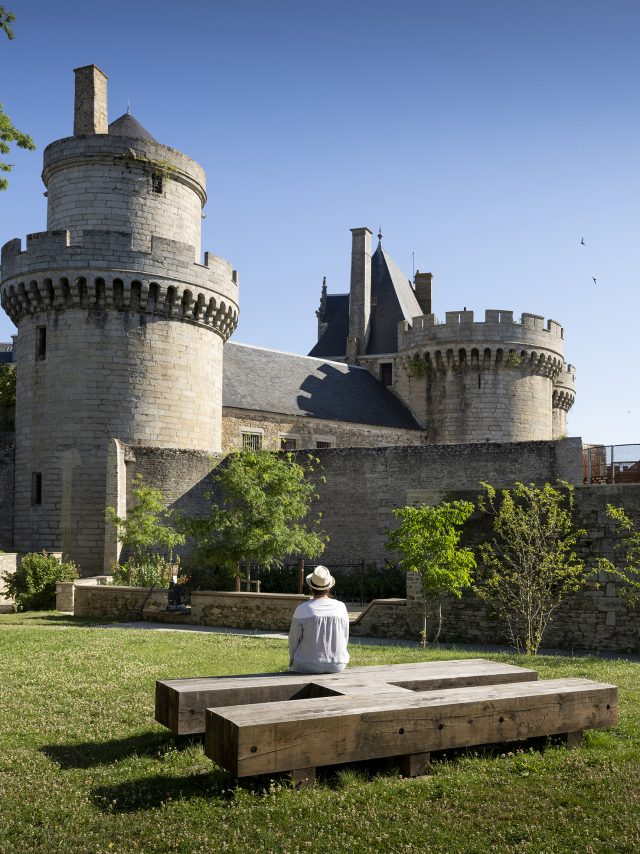
The hunt for Resistance fighters is also part of this painful history. Several sites in the region witnessed imprisonment, torture or executions, including the Château d’Alençon, the Galochère quarry at Condé-sur-Sarthe and the Aunais quarry at Saint-Germain-sur-Sarthe, and the firing range stele at Radon.
Every year on 12 August, Alençon celebrates its liberation.
By the way, who was it? 

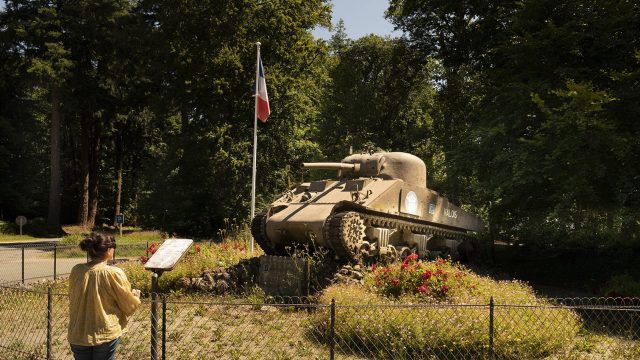
The 2nd Armoured Division was a French armed unit created in 1943 by General Leclerc. On 1 August 1944, it landed on Utah Beach as part of General Patton’s 3rd American Army, taking part in the Battle of Normandy, during which it distinguished itself by its bravery and strategic operations.

Unusual 

A forgery office in the basilica!

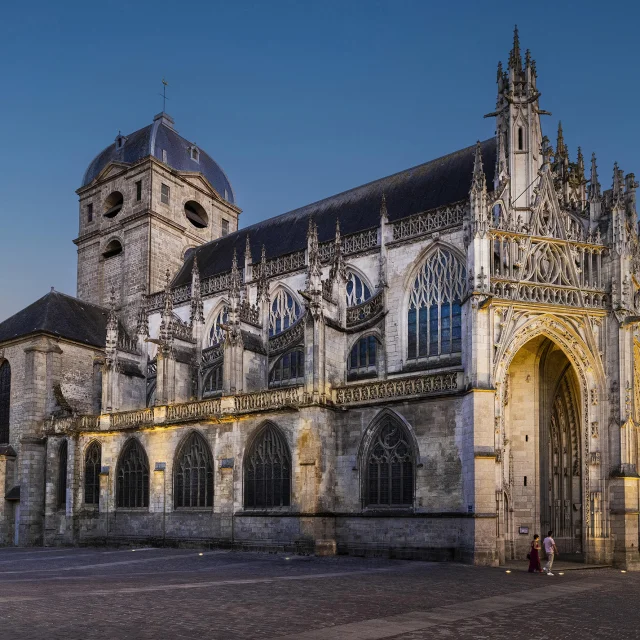
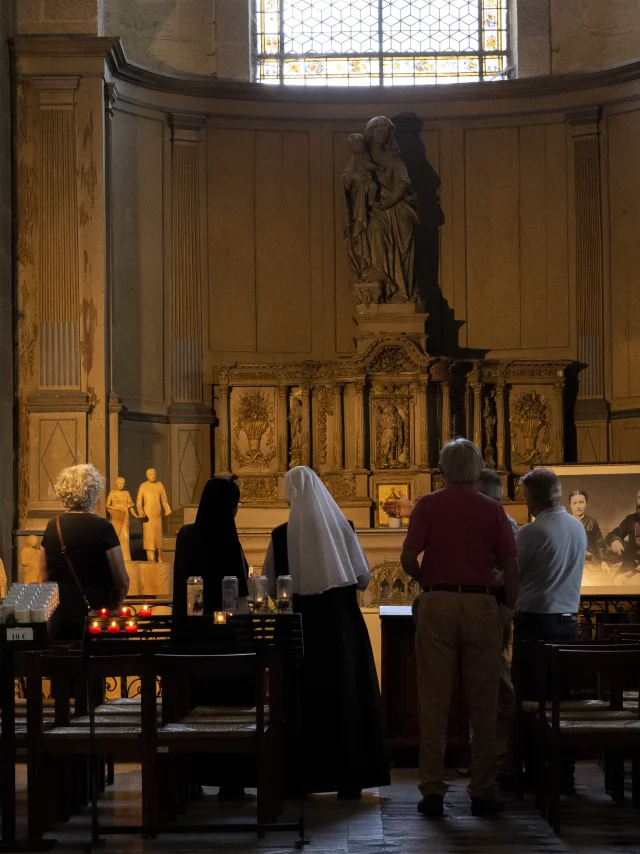
Marcel Poulain was an unusual character… Appointed vicar of Notre-Dame church in Alençon in 1937, he was mobilised in 1939 and taken prisoner in June the following year. He managed to escape in August 1940 and returned to Alençon. In the service of the local resistance, he set up a forgery shop in the bell tower of Notre-Dame and, along with 5 other people (altar boys, a printer and a bookseller), equipped himself with the “panoply of a perfect forger” to create forged documents for Jews, escapees and protesters.

More than 1,000 forged documents were produced up until 1943, when he left Alençon and moved to La Chapelle-Souëf, in the Perche region. The business continued to operate, but in August 1944, his network was arrested and deported.

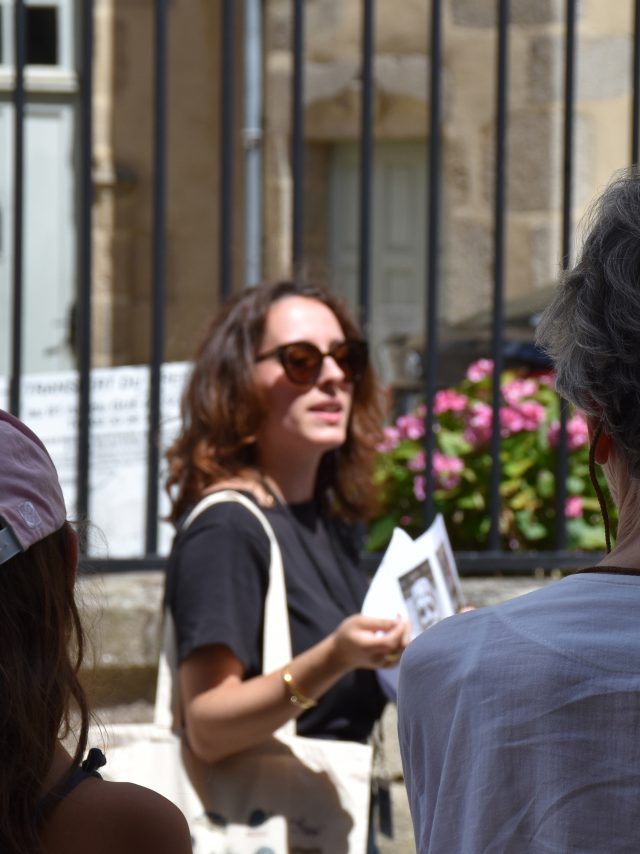
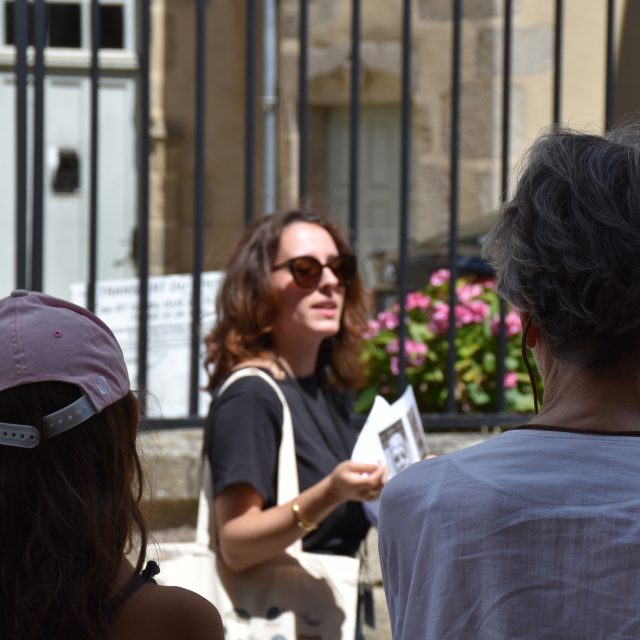
Discover the history of Alençon during the Second World War