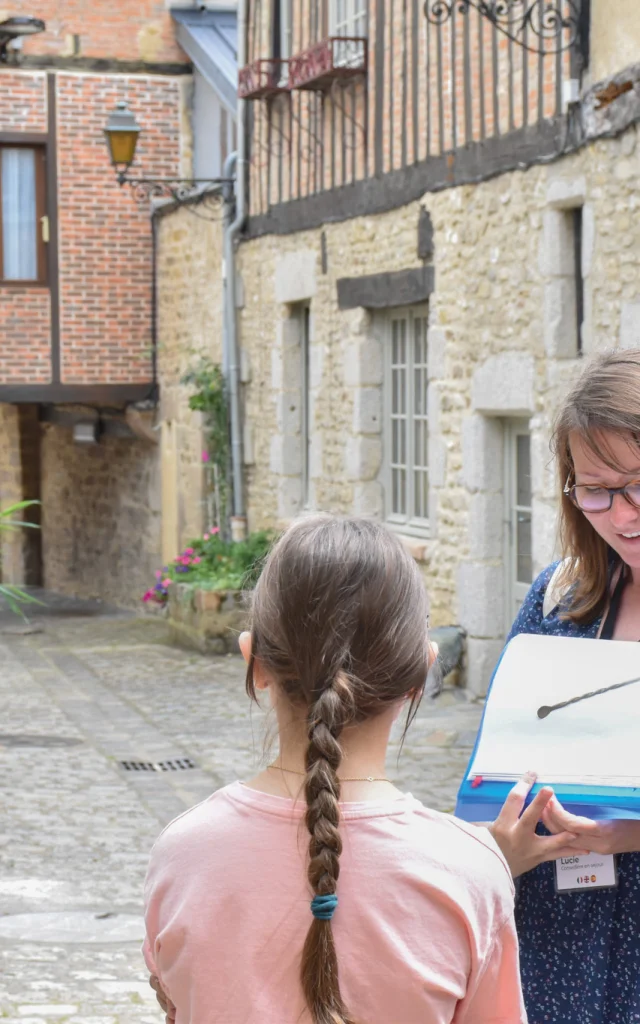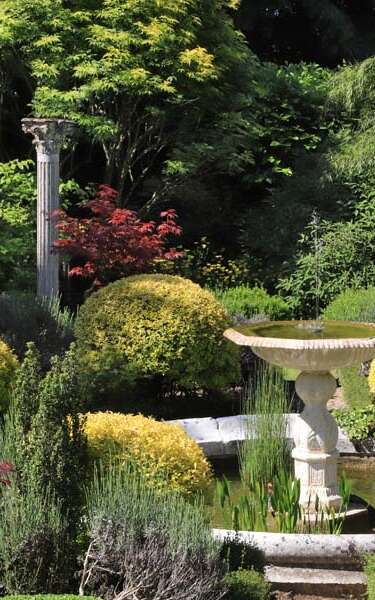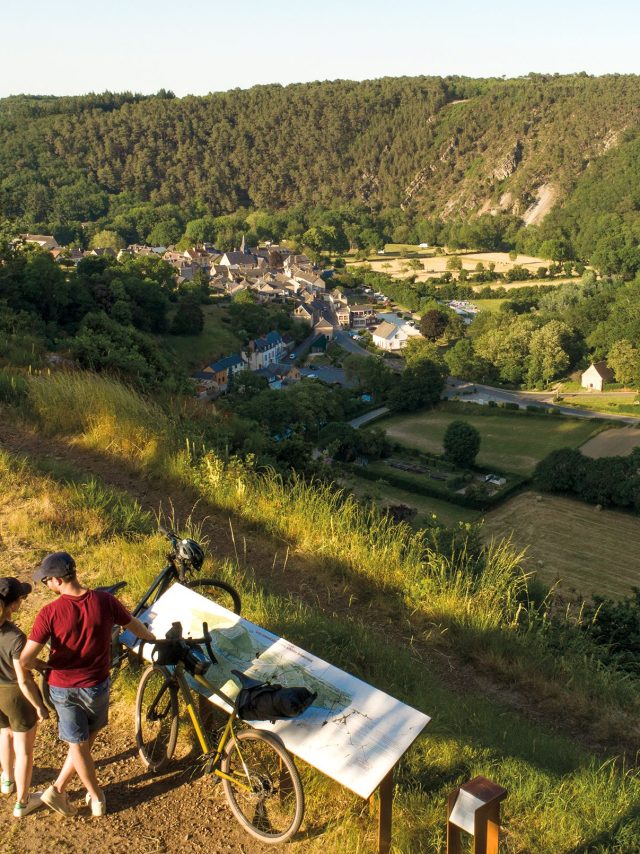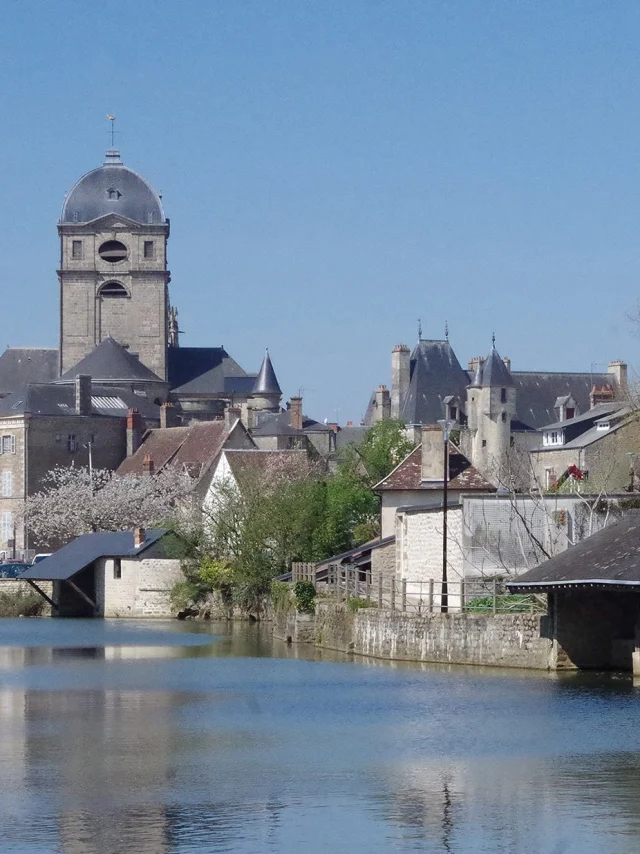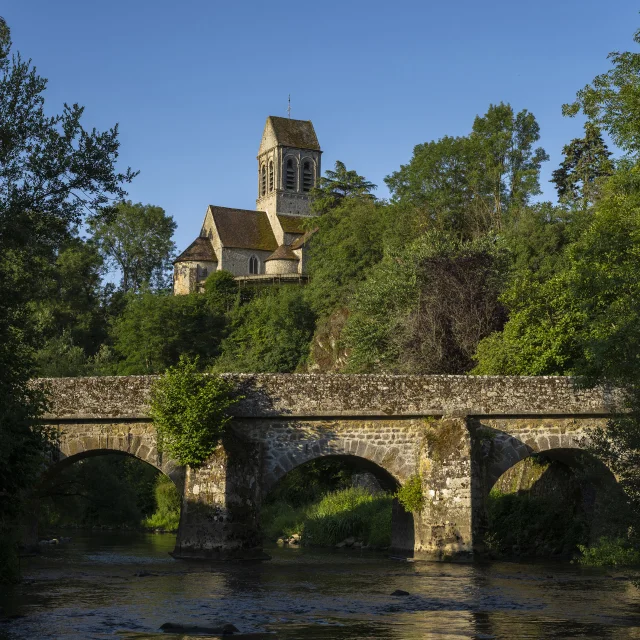
With its history, heritage and picturesque charm,
the village of Saint-Céneri-le-Gérei was listed as one of the “Most Beautiful Villages in France” in 1983, and was awarded the “Petites Cités de Caractère” label in 2014.
 Pbvf
Pbvf
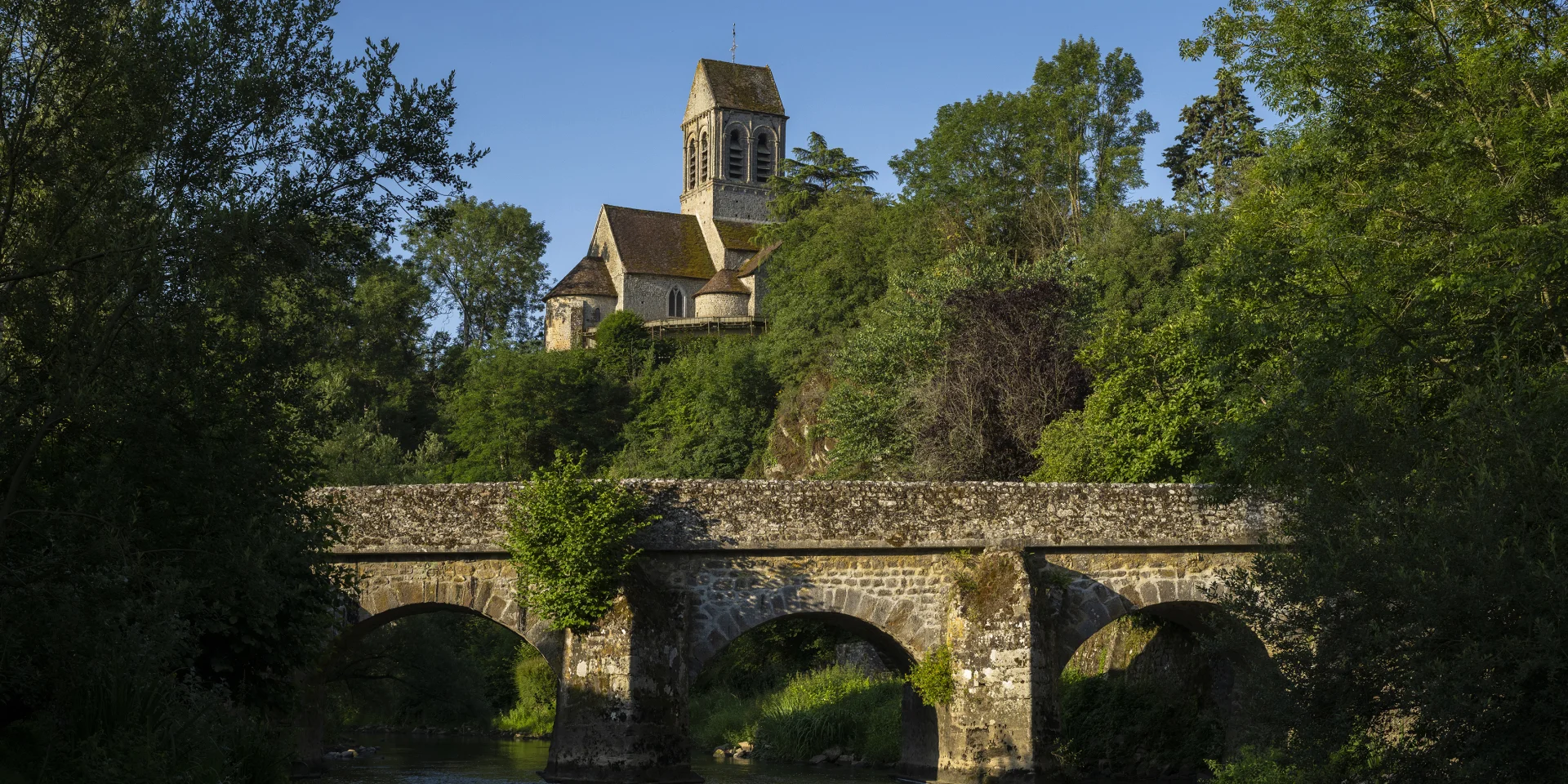
With its history, heritage and picturesque charm,
the village of Saint-Céneri-le-Gérei was listed as one of the “Most Beautiful Villages in France” in 1983, and was awarded the “Petites Cités de Caractère” label in 2014.
Pbvf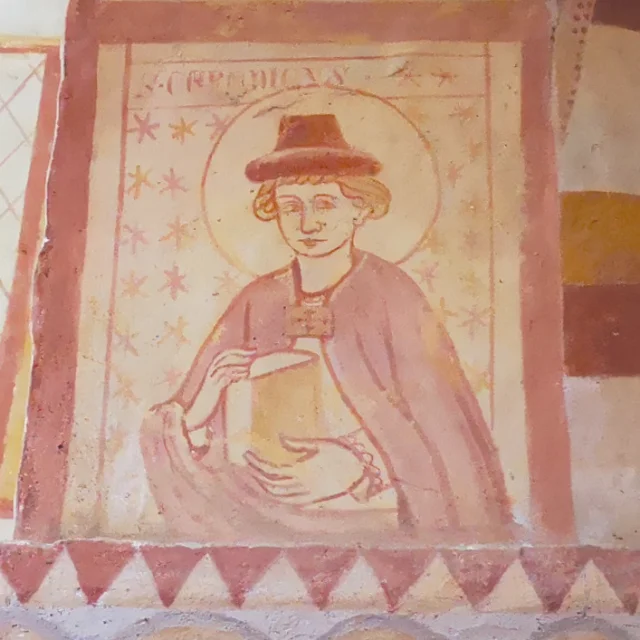
The village of Saint-Céneri-le-Gérei dates back to the 7th century, when an Italian hermit, Céneri, came to evangelise the north-western regions and founded a monastery there.
In the 11th century, the Giroie family built a castle, the ruins of which can still be seen today in the street leading to the town hall. The origin of the village’s name would therefore come from the combination of “Saint-Céneri” and “Giroie”.
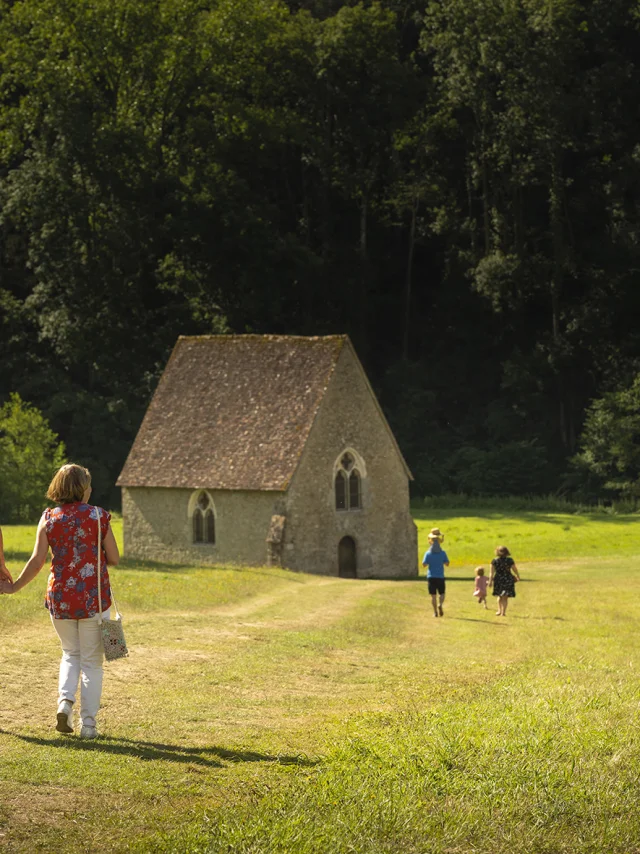
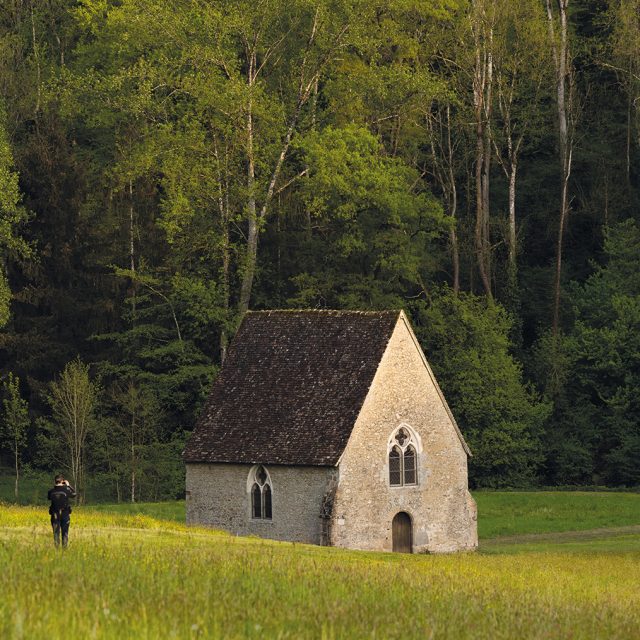
The 12th-century Romanesque church, which has preserved its wall paintings, will also surprise you when you enter! Further down, a secluded chapel recalls the legends of Saint Céneri and invites you to relax and listen.
Another important period in the history of the village of Saint-Céneri-le-Gérei… From the end of the 19th century onwards, artists left their studios to paint as close as possible to nature, in what is known as “painting from the motif”.
Many painters, including Camille Corot, Mary Renard, Paul Saïn and Eugène Boudin, discovered the beauty of the village and came to stay and enjoy the summers. Some of them founded the Saint-Céneri school and stayed in the village inns, even painting on the walls!
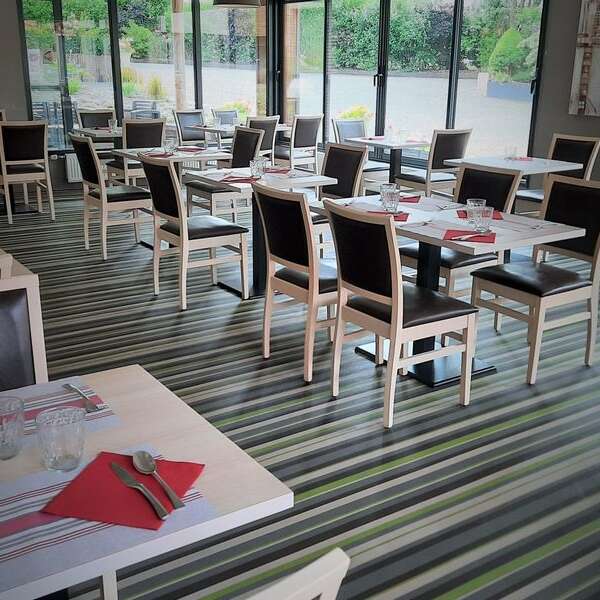
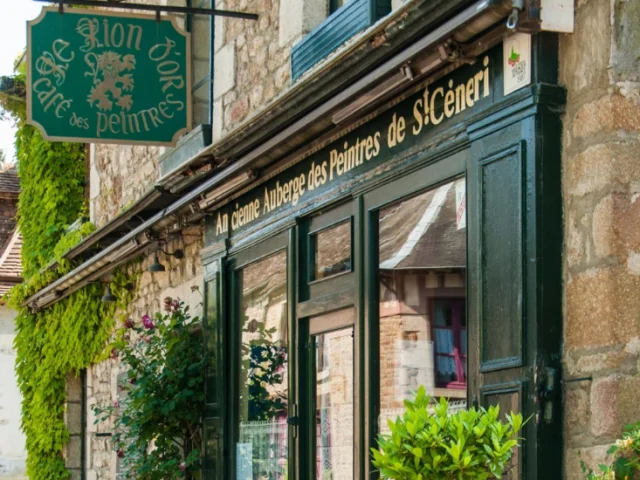
The Auberge des sœurs Moisy and its intriguing “salle des décapités” (now a tourist information office from April to September) and the Auberge des peintres (where you can still enjoy lunch and dinner) bear witness to this effervescent and creative period.
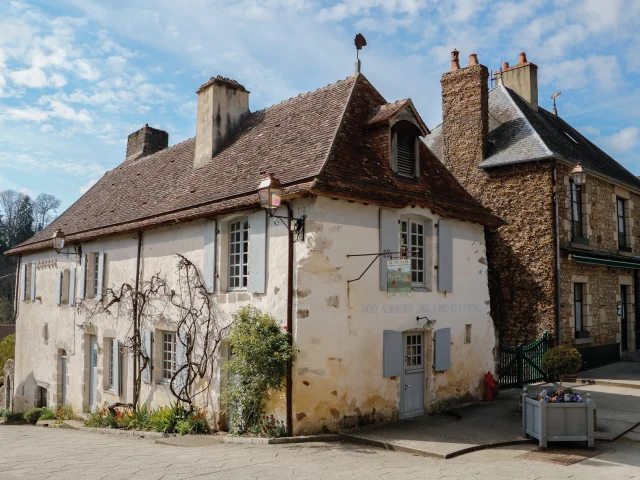 Auberge des sœurs Moisy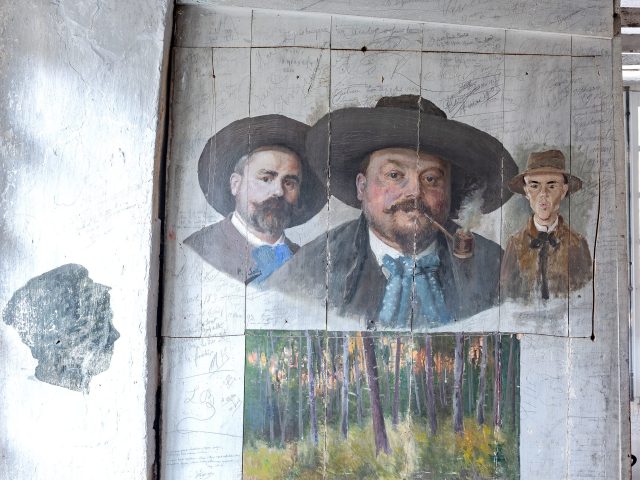
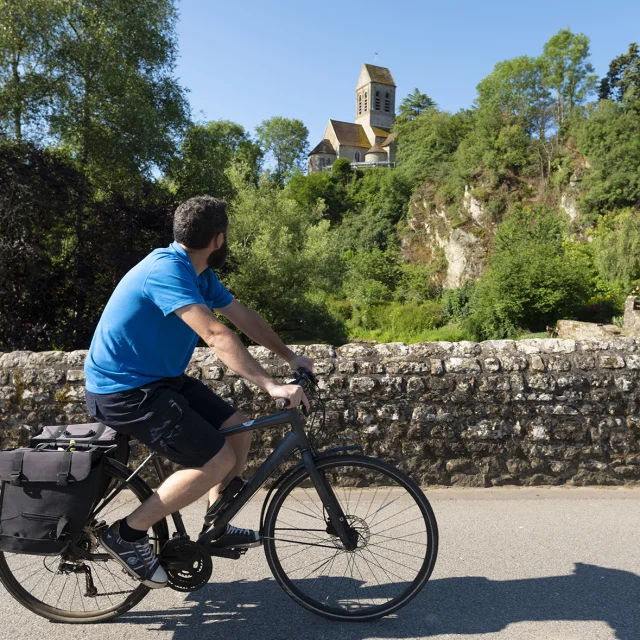
From the top of its rocky outcrop, the pretty Romanesque church of Saint-Céneri-le-Gérei overlooks the meandering Sarthe. Built in the 11th century on the initiative of the Giroie family, it underwent a number of transformations over the centuries that followed. Inside, you’ll notice a pewter Stations of the Cross on the left-hand wall, made by a local sculptor.
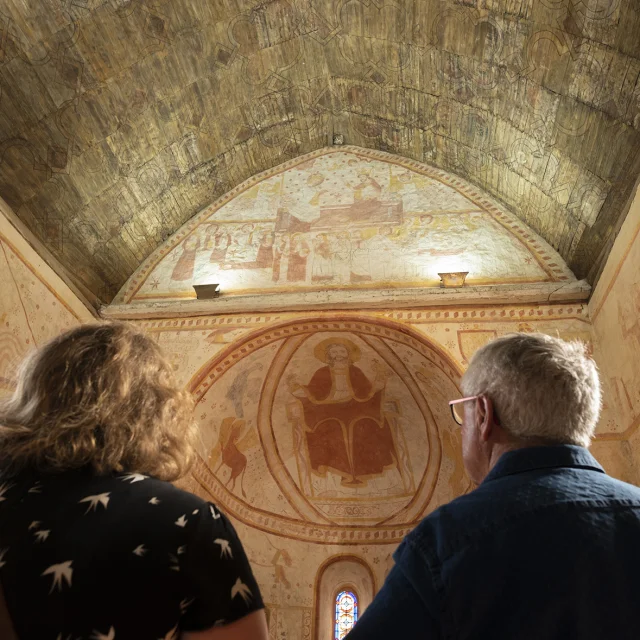
But the treasure of the church is to be found on the walls of the transept, the choir and the apse, which are entirely covered with wall paintings from the 14th and 15th centuries. Admire the rare chestnut barrel vault with its painted quatrefoil motifs.
 Saint-Céneri-le-Gérei
 Saint-Céneri-le-Gérei
 Chapel of Saint-Céneri-le-Gérei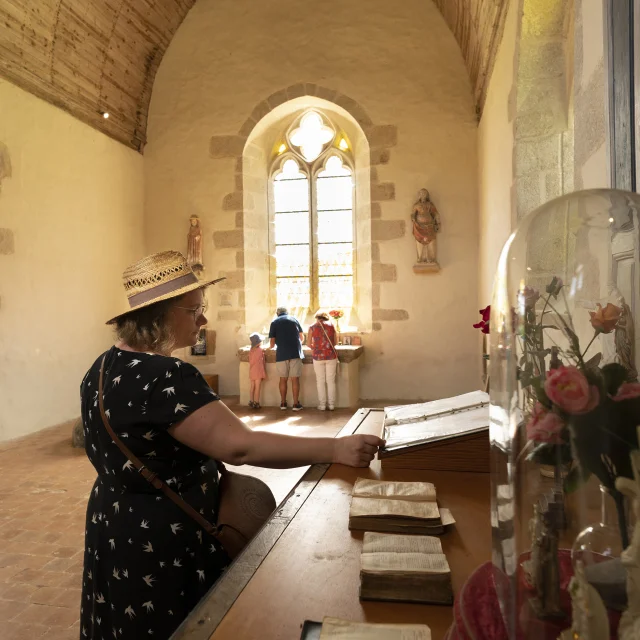

Built at the end of the 14th century, it is said that the chapel was erected on the site of Saint Céneri’s oratory. Inside, admire the chestnut wood frame, which is shaped like an inverted ship’s hull.
On the floor, you won’t want to miss a strange reclining menhir which, it is said, served as Saint Céneri’s bed. Two statues adorn one of the walls of the chapel: on the right, that of Santiago de Compostela, and on the left, that of Saint Céneri.
Legend has it that a young woman in search of her soul mate has to stick a needle into the feet of the statue of Saint-Céneri. If the needle stays in place, she will find her chosen one within the year. If the needle falls out, she will have to wait until the following year to start again!
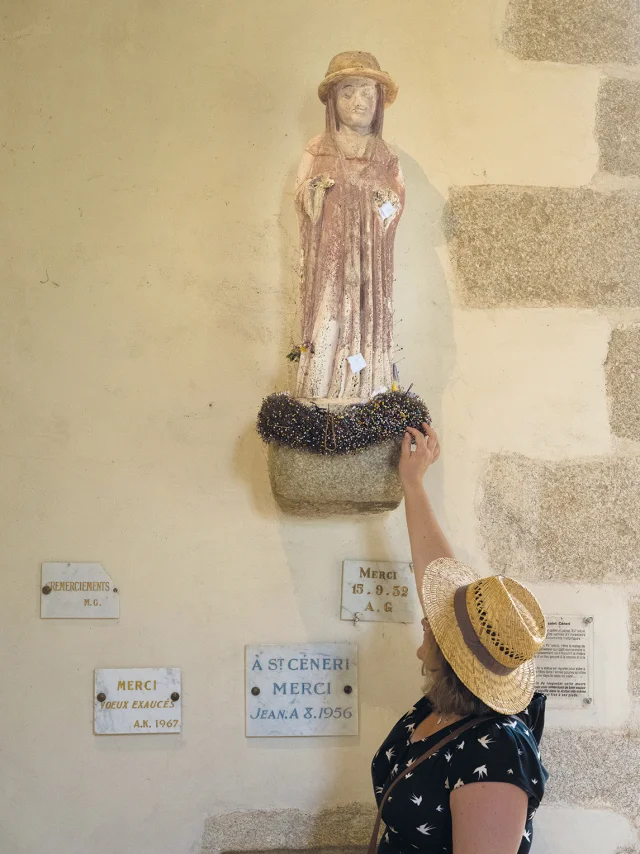 Chapel of Saint-Céneri-le-Gérei
Another legend claims that young women who lie down on the menhir multiply their chances of getting pregnant!
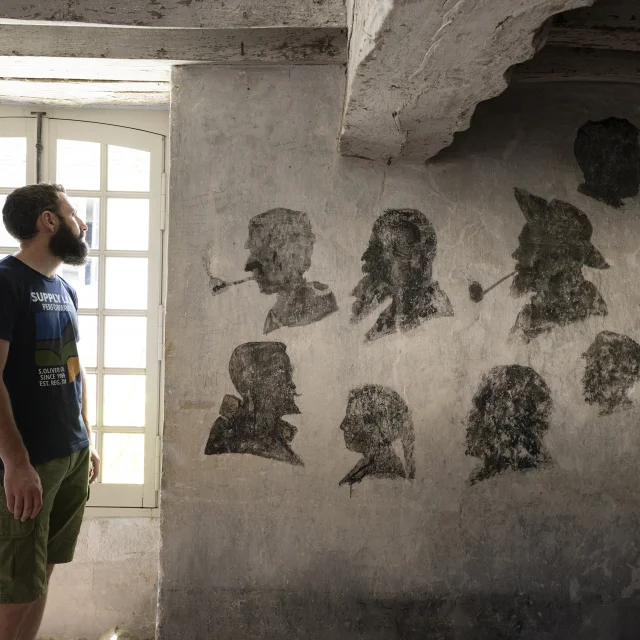
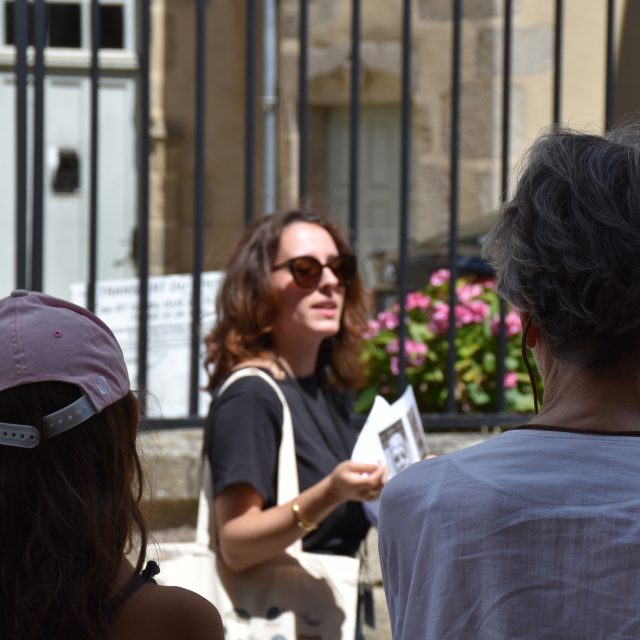
At the time of the Saint-Céneri painters, at the end of the 19th century, artists and villagers loved to feast at the home of Léonie and Adélaïde Moisy, two sisters who had inherited the inn from their father. The former dining room upstairs is a unique place and a real curiosity for visitors. In fact, it was here that, by candlelight, the painters had fun drawing the profiles of the customers on the walls in charcoal, in the manner of a Chinese shadow.
They christened this room “the beheading room”!
Ambroise de Loré was born in 1395 in Oisseau, a small commune in the Mayenne region. A warrior and comrade-in-arms of Joan of Arc, he took part in various battles during the Hundred Years’ War. He captured the fortress of Fresnay-sur-Sarthe and was made its captain in 1418, but lost the castle in 1420. This setback did not stop him and he continued his fight against the English. In particular, he was sent to Saint-Céneri-le-Gérei to defend the castle, which was besieged by the English in 1429. It took no less than 15,000 men to overcome their resistance. A stele commemorates these events at the foot of the remains of the castle.
Plan your stay in Saint-Céneri-le-Gérei.