Cycling in the Normandie-Maine Regional Nature Park and GeoparkNormandie-Maine Regional Nature Park and Geopark
©Normandie-Maine Regional Nature Park and Geopark|PNR - Marc Lerouge

Discover The Regional Nature Park and UNESCO World Geopark Normandie-Maine

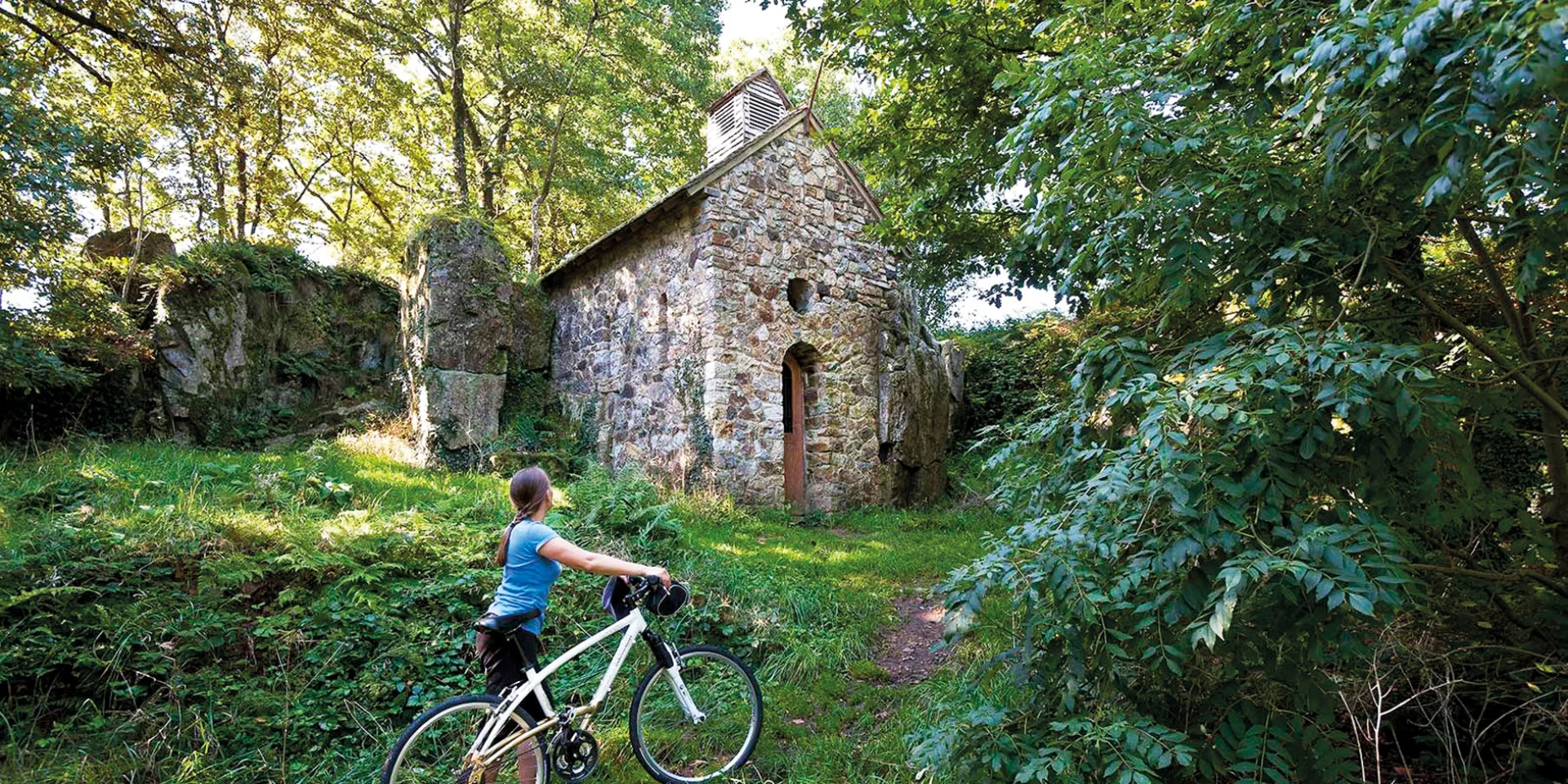
Explore the Normandie-Maine Regional Nature Park, with its forests, hedged farmland and heritage, in the heart of unspoilt, authentic countryside.

Getting there

Between Normandy and Pays de la Loire Geological jewel

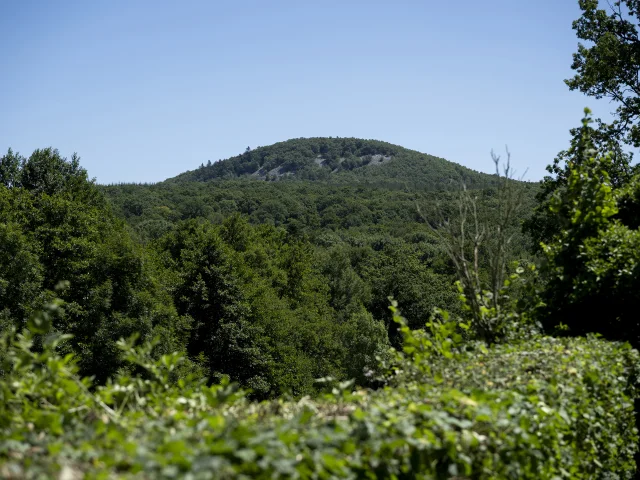
This Park, created in 1975, is one of the oldest in France. It stretches across four départements, Orne, Sarthe, Mayenne and Manche, straddling the border between Normandy and the Pays de la Loire, and boasts a surprisingly rugged landscape and some of the highest peaks in Western France: Mont des Avaloirs (416 m), Signal d’Écouves (413 m), Butte Chaumont (378 m) and Belvédère de Perseigne (342 m).

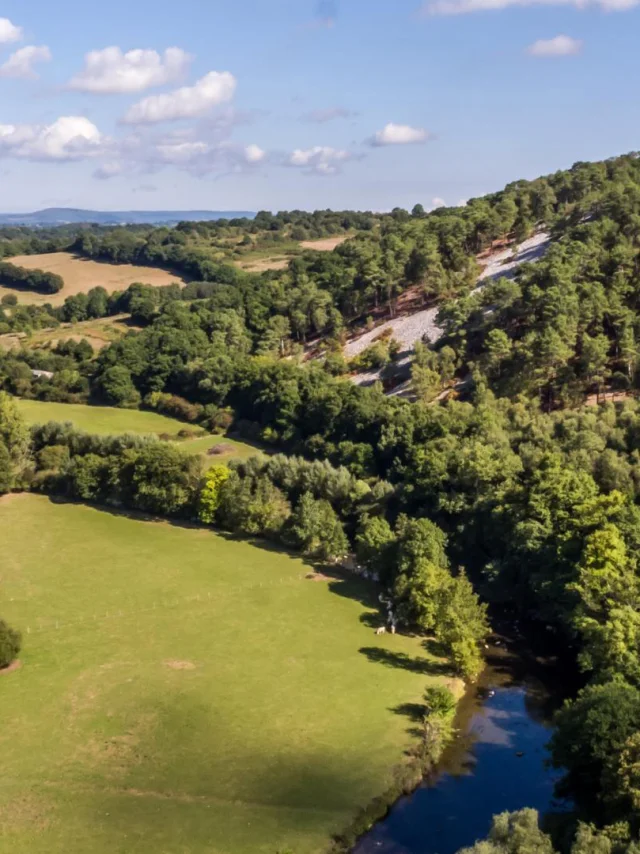
This exceptional area is a veritable open-air geological history book. Rocky escarpments, gorges, scree slopes and torrents are unique, and it took 600 million years to give this part of Normandy and Maine its breathtaking landscapes.
Between history and stone A built heritage at the heart of the Geopark

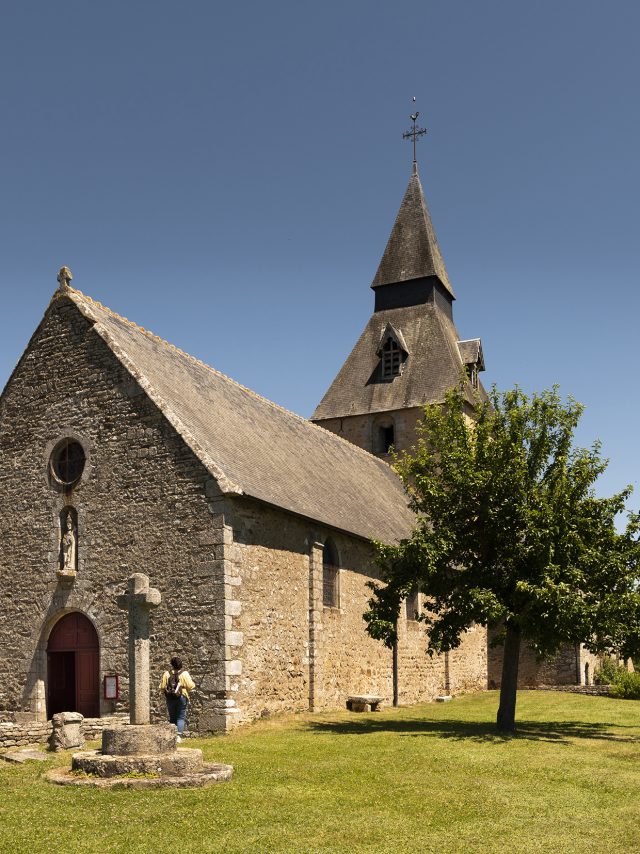
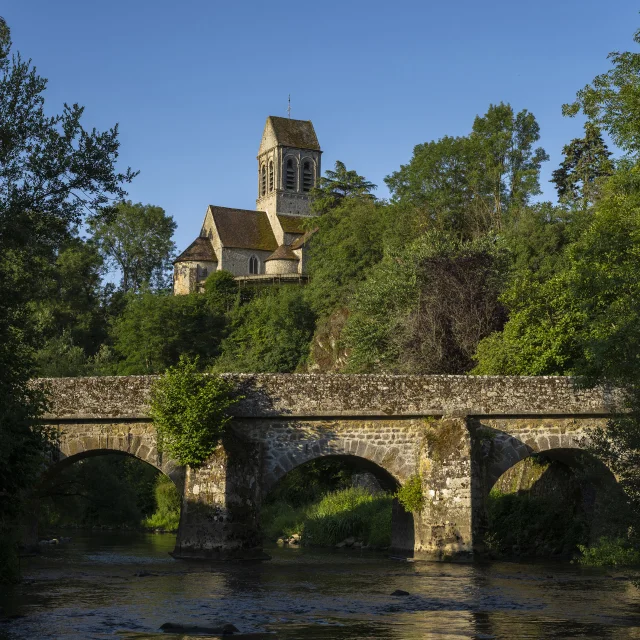
In addition to its specific geological features, the Normandy Maine Regional Park and Geopark has an admirable cultural heritage. The towns and villages, with their traditional architecture in local stone, bear witness to the adaptation of buildings to the geological resources available. Roussard sandstone, granite and limestone have shaped the architectural identity of the different sectors.

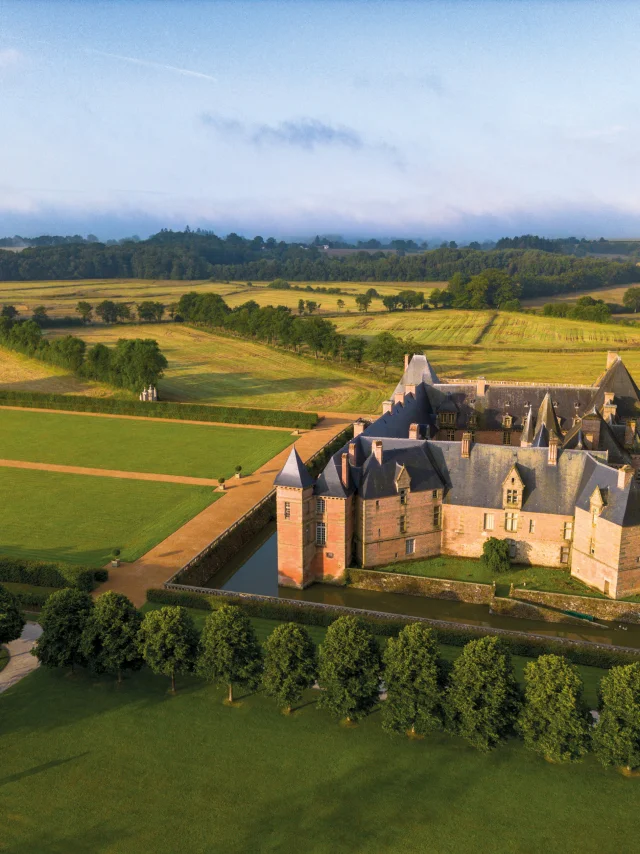
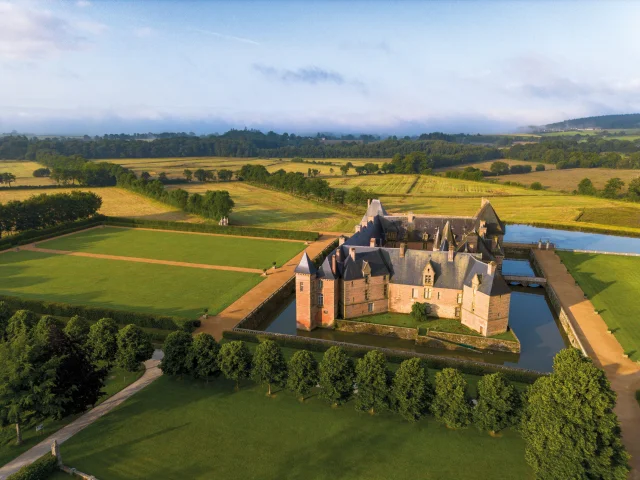
The park is also a borderland between two historic provinces, Normandy and Maine, which explains the presence of numerous castles and medieval towns such as Carrouges, Domfront, Lassay-les-Châteaux, Fresnay-sur-Sarthe and Alençon…

Normandy Maine Geopark logo

Find out more The UNESCO Geopark label

The UNESCO World Geopark label is awarded to an area presenting sites and landscapes of international geological importance, managed according to an overall concept of protection, education and sustainable development. This label recognises the ambitious approach taken by a territory and all its representatives.

Launched in 1997, Geoparks is a network of stakeholders working together to share experience and build cooperation.

Through its fundamental missions, it also implements the sustainable development objectives adopted by the member countries of the United Nations. Fulfilling all the necessary conditions, the Normandie-Maine NRP was definitively awarded the label in 2024.

Preserving together Our landscapes and nature

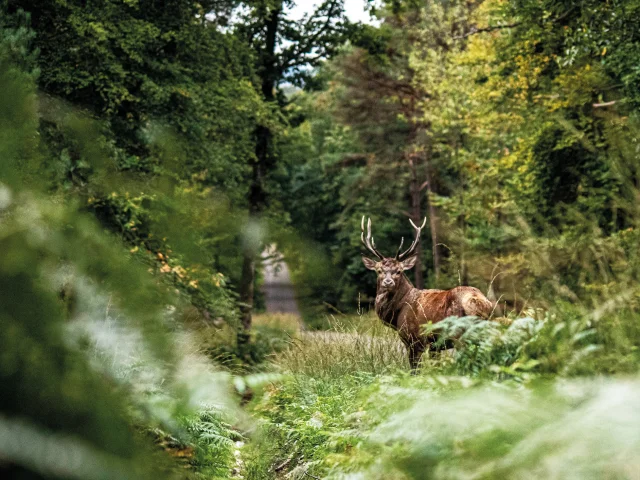
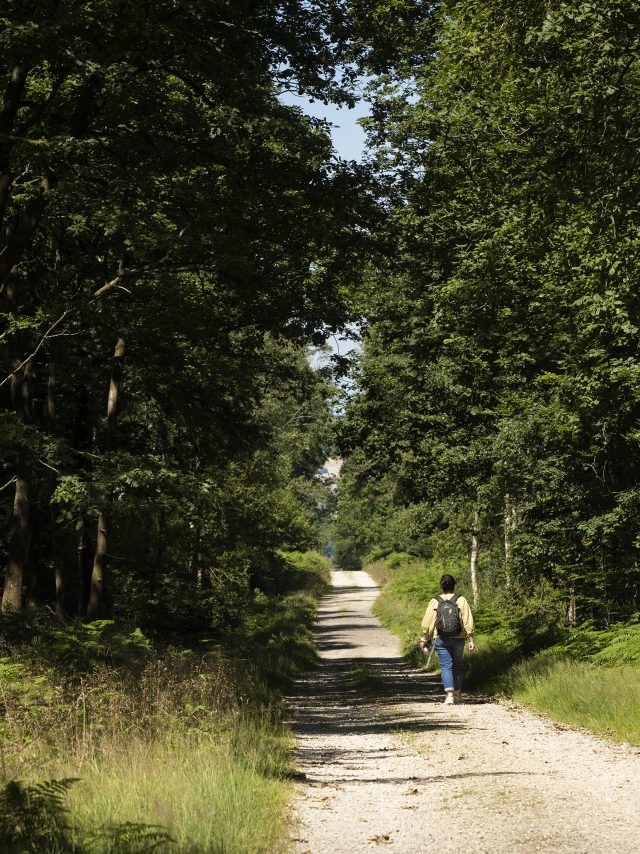
The Normandie-Maine Regional Nature Park and Geopark is home to remarkable biodiversity, with more than 1,500 plant species and a diverse range of wildlife. Forests cover almost 30% of the area; theÉcouves forest, with its 8,000 hectares, is the largest forest in the region.

In 2024, the park was awarded the UNESCO Geopark label, committing the region to an exemplary approach to sustainable development. This accolade recognises local initiatives to protect the environment, raise public awareness and promote economic development that respects the natural balance.

If, like us, you are attached to Mother Nature, then do the right thing in our forests and countryside by helping to keep the sites clean. Take your rubbish, cigarette ends and anything else that could harm the environment of our beautiful and precious planet with you.

Anecdotes fair
  • A mountain... from the West!

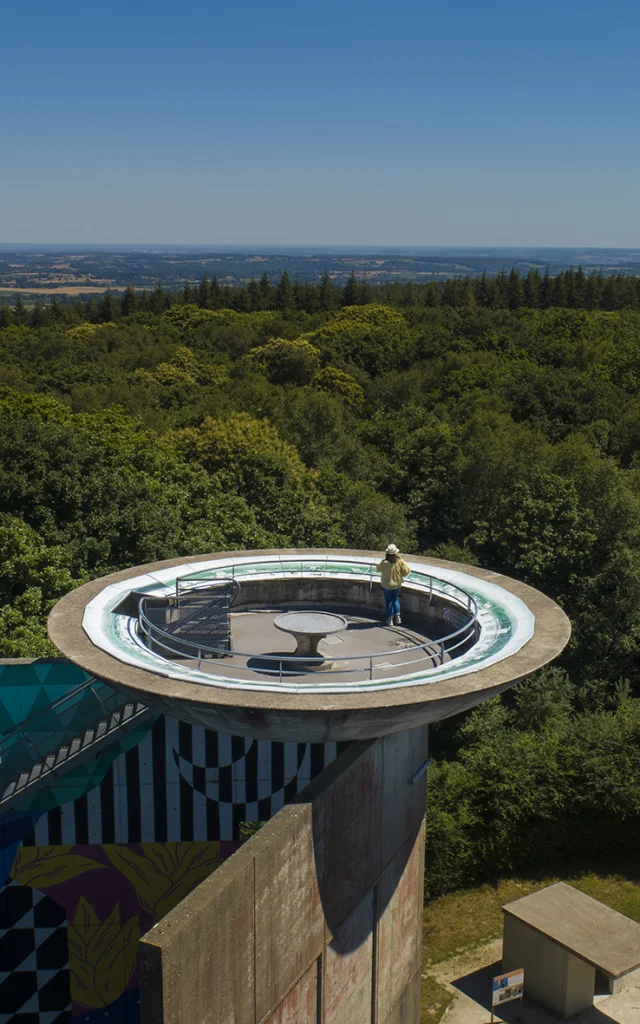
    Mont des Avaloirs, the highest peak in western France at 416 metres, is located in the Geopark. It’s known locally as “the mountain”, even if it doesn’t rival the Alps! There’s also a lookout tower offering a 360° panoramic view.

  • Stones that tell a story

    The roussard sandstone, a reddish stone typical of certain villages in the park, contains traces of life dating back more than 400 million years. Marine fossils can sometimes be seen here, proof that the region was once… under the sea!

  • A castle built on a fault line

    Carrouges castle, the park’s landmark, stands on an ancient geological fault. Its strategic position and local red sandstone architecture perfectly illustrate the link between the area’s built heritage and its geological substratum.